As more buyers explore homes along Florida’s Gulf Coast, construction quality has become an increasingly important factor. Homeowners in Tampa Bay, St. Petersburg, and the Gulf Beaches are not only looking for beautiful waterfront properties but also homes built to withstand coastal conditions while maintaining comfort and efficiency.
One building method gaining significant attention is ICF construction, short for Insulated Concrete Form. Known for its exceptional strength, energy efficiency, and durability, ICF construction is becoming a preferred choice for storm-resistant homes in coastal Florida. From enhanced hurricane protection to lower energy bills, this innovative building method offers advantages that traditional construction methods often cannot match.
For buyers searching for waterfront homes in Tampa Bay, understanding how a home is built can be just as important as its location.
What Is ICF Construction?
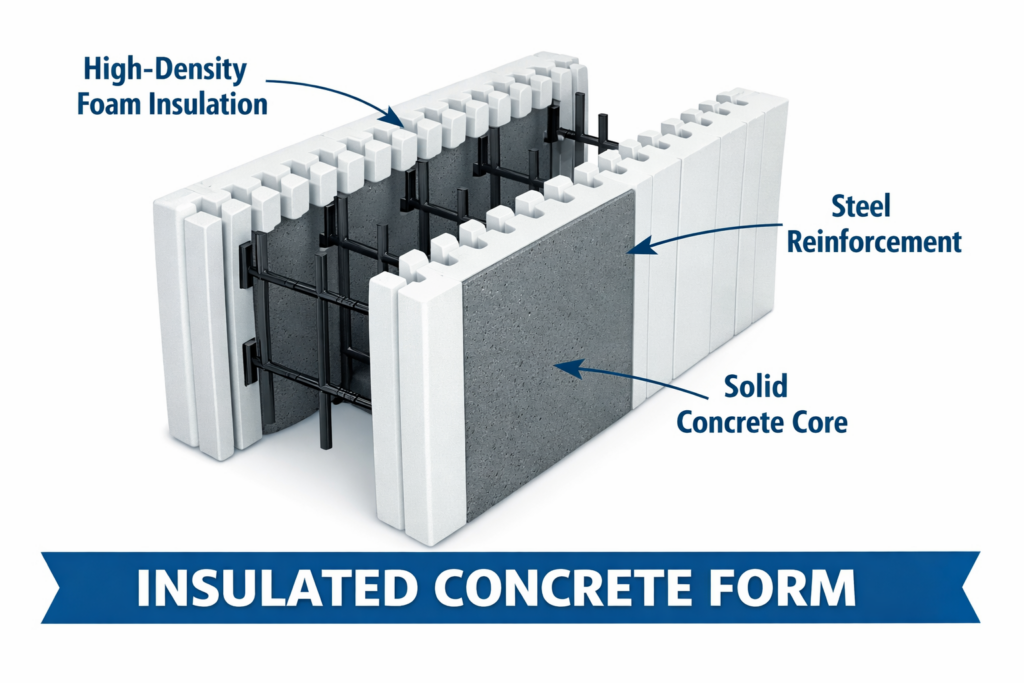
ICF, or Insulated Concrete Form construction, is a building method that uses interlocking foam blocks that are filled with reinforced concrete to create extremely strong and well-insulated walls.
The process works like this:
Builders stack hollow foam forms that resemble oversized Lego blocks to create the shape of the walls. Steel reinforcement bars (rebar) are placed inside the forms, and concrete is poured between the layers of insulation. Once the concrete cures, the foam forms remain in place, creating a solid wall with insulation built directly into the structure.
This system differs from traditional construction in several important ways.

Compared to Wood Framing:
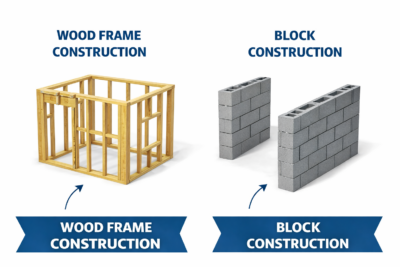
Many homes across the United States are built with wood framing. While wood framing is cost-effective and widely used, it can be more vulnerable to moisture, termites, and storm damage.
Compared to Concrete Block:
Concrete block construction is common throughout Florida and is generally stronger than wood framing. However, block homes typically require additional insulation to achieve strong energy efficiency.

The ICF Difference
ICF construction combines reinforced concrete strength with continuous insulation on both sides of the wall, creating a building envelope that is stronger, quieter, and significantly more energy efficient than many conventional methods.
The result is a home that performs exceptionally well in challenging environments, which is one reason ICF homes are gaining traction in Tampa Bay real estate markets.
Key Benefits of ICF Homes:
Superior Storm and Hurricane Resistance
For homeowners in coastal areas, structural resilience is often the top priority. ICF walls are made of reinforced concrete and steel, which creates an extremely strong structural system capable of withstanding high winds and flying debris.
Many ICF structures are designed to handle winds exceeding 200 miles per hour, making them especially appealing for buyers seeking storm-resistant homes along the Gulf Coast. While no construction method can make a home completely hurricane-proof, ICF construction provides a level of strength and protection that far exceeds most traditional framing systems.
Exceptional Energy Efficiency
Another major advantage of ICF homes is their energy efficiency. The thick layers of foam insulation on both sides of the concrete create a highly efficient thermal barrier.
This helps keep cool air inside during Florida’s hot summers and reduces the workload on air conditioning systems. Homeowners often see significantly lower utility costs compared to traditionally built homes.
The consistent indoor temperature also creates a more comfortable living environment year-round.
Superior Sound Insulation
ICF walls are incredibly effective at blocking outside noise. The combination of dense concrete and insulation dramatically reduces sound transmission.
For homes near busy roads, waterfront areas with boat traffic, or lively beach communities, this feature can make a noticeable difference. Many owners of ICF homes describe interiors as remarkably quiet, even in active coastal neighborhoods.
Increased Durability and Longevity
Concrete structures are known for their durability, and ICF homes are built to last for generations. Unlike wood framing, concrete does not warp, twist, or deteriorate over time.
This structural stability means fewer long-term repairs and a home that maintains its integrity even in Florida’s humid climate.
Resistance to Mold, Rot, and Termites
Florida’s coastal climate can create challenges for traditional construction materials. ICF homes offer strong resistance to many common issues homeowners face.
Because the core structure is concrete:
• Termites cannot damage the structure
• The walls are not susceptible to rot
• Moisture intrusion risks are reduced
This makes ICF construction particularly appealing for buyers considering homes in St. Petersburg or along the Gulf Beaches, where humidity and salt air can accelerate wear on traditional materials.
Potential Insurance Advantages
In some cases, homes built with reinforced concrete and impact-resistant features may qualify for insurance discounts or improved wind mitigation ratings.
Insurance carriers often consider construction quality when determining premiums, and homes designed with storm resistance in mind may benefit from lower long-term insurance costs.
Why ICF Construction Makes Sense for Coastal Florida
Coastal Florida presents unique environmental challenges. Homes must withstand intense sun, humidity, heavy rainfall, salt air, and the potential for hurricanes.
Because of these factors, many buyers searching for homes in Tampa Bay are increasingly prioritizing construction quality.
ICF construction addresses many of these concerns at once.
The reinforced concrete core provides structural strength during severe weather events. The integrated insulation helps maintain comfortable indoor temperatures despite the Florida heat. The resistance to moisture and pests adds another layer of long-term durability.
For homeowners in St. Petersburg and the Gulf Beaches, these features can translate to greater peace of mind, lower maintenance costs, and improved long-term value.
As coastal construction continues to evolve, many builders are turning to ICF systems as a way to create homes that are both luxurious and resilient.
Long-Term Value and Peace of Mind
For many buyers, purchasing a home is not just about today’s lifestyle. It is also about making a long-term investment.
ICF homes offer several advantages that can contribute to strong long-term value:
• Lower energy costs
• Reduced maintenance over time
• Increased structural durability
• Enhanced storm protection
These factors can make ICF homes especially appealing to buyers who plan to hold their property for many years.
For homeowners in coastal markets, the peace of mind that comes from owning a well-built, storm-resistant home
Spotlight on a Local Example
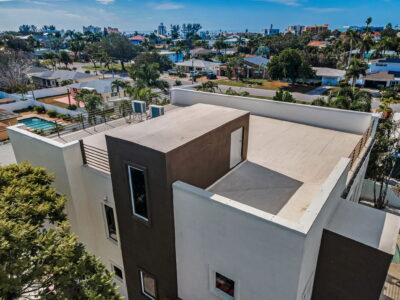
One example of how modern construction and coastal lifestyle come together can be seen in a recently available Treasure Island property built with ICF construction.

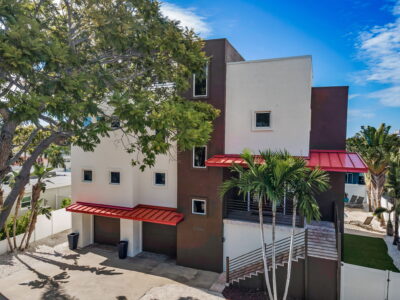
The property includes approximately 3,300 square feet of living space and is thoughtfully designed with an elevated structure and impact-rated windows and doors, adding another layer of resilience for coastal living.
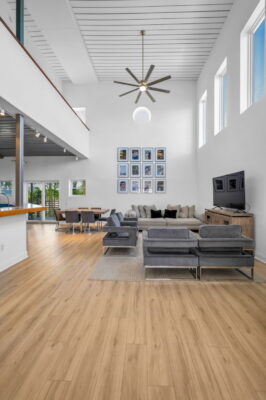
Inside, the home features soaring 22-foot entry ceilings that create a dramatic sense of space and natural light.

Outdoor living is just as impressive. The property offers a rooftop terrace with sweeping views of the Intracoastal Waterway and the Gulf of Mexico, providing the perfect setting for sunset gatherings or quiet evenings overlooking the water.
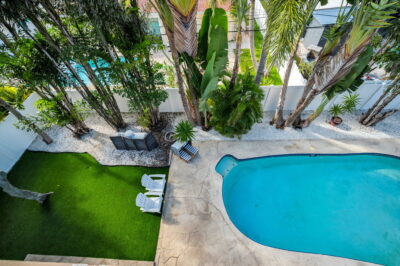
The backyard has been transformed into a private outdoor retreat with a sparkling pool and newly turfed yard, combining low maintenance with resort-style comfort.

Homes like this demonstrate how modern coastal construction can balance strength, efficiency, and lifestyle, giving buyers both luxury and peace of mind.
As buyers continue to prioritize durability, energy efficiency, and storm resilience, ICF homes are becoming an increasingly attractive option in Tampa Bay real estate markets.