
If you are considering an older ranch-style home in St. Petersburg, Treasure Island, St. Pete Beach, or the surrounding Gulf Beaches, you may hear the term “cast iron pipes” during your inspection process. For many buyers, that phrase alone can raise concerns.
The truth is much more balanced.
Cast iron was the standard for decades because it is durable, quiet, and long lasting. Many homes throughout Tampa Bay still have functioning cast iron drain systems today. The key is understanding what cast iron pipes are, how long they typically last, and what practical steps you can take to keep them in good condition without assuming a full replacement is necessary.
This guide is designed to educate, not alarm, and to help buyers and homeowners make informed decisions in our local market.

What Are Cast Iron Sewer and Drain Pipes?
Cast iron pipes are metal drain lines used to carry wastewater from your home to the municipal sewer system. In older Florida homes, cast iron is commonly found in:
– Main drain lines beneath the slab
– Vertical plumbing stacks inside walls
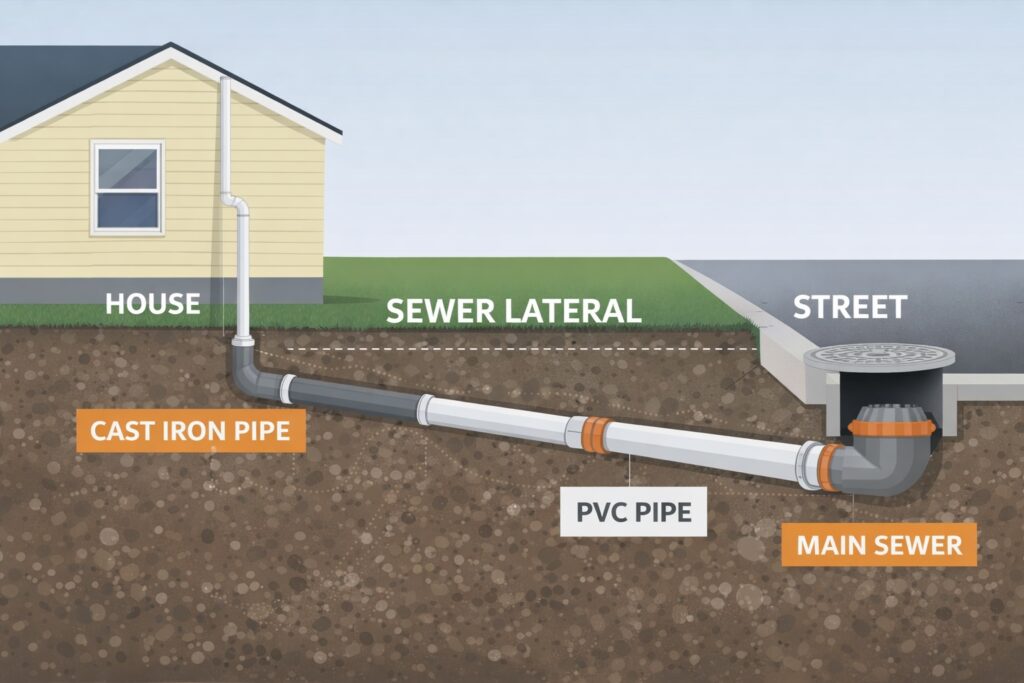
– Sewer lateral lines running from the home to the street
Cast iron is not used for water supply lines. It is primarily part of the drain, waste, and vent system.
In many mid-century neighborhoods throughout St. Petersburg and the Gulf Beaches, cast iron plumbing is common and expected.
How Long Do Cast Iron Pipes Last?
There is no single expiration date for cast iron pipes. Their lifespan depends on several factors including installation quality, pipe thickness, soil conditions, moisture exposure, usage patterns, and maintenance.
Industry reference ranges help provide perspective:
– InterNACHI lists cast iron waste pipes below ground at approximately 50 to 60 years, and above ground around 60 years.
– The National Association of Home Builders (NAHB) reports that cast iron or concrete waste pipes may last 100 years or more under favorable conditions.
What this tells us locally is important: many cast iron systems in Tampa Bay still have usable life remaining, while others may need targeted repairs depending on their condition.
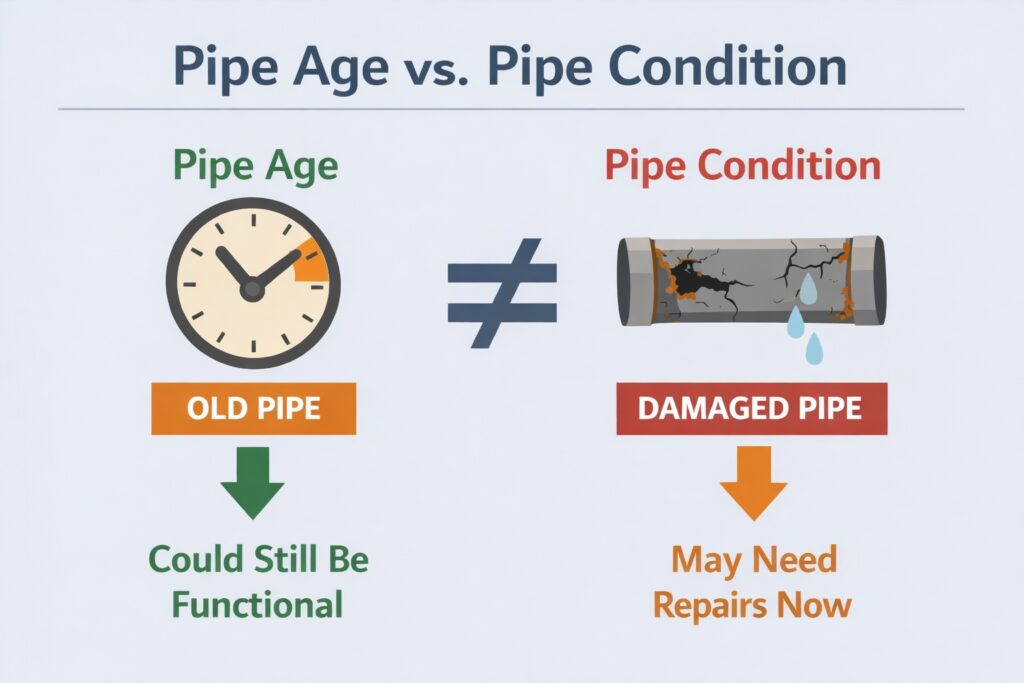
Age alone does not determine performance. Condition matters more.
Why Cast Iron Pipes Deteriorate Over Time
Cast iron typically corrodes from the inside out. Over years of normal use, wastewater can create internal scaling or rough surfaces that catch debris and restrict flow. In some cases, corrosion progresses to cracks, offsets, or collapsed sections.
Common contributors include:
– Natural internal corrosion
– Soil movement or settling
– Repeated clogs and aggressive snaking
– Tree root intrusion
– Improper slope or bellies in the line
The presence of cast iron does not automatically mean there is a problem. It simply means the plumbing deserves thoughtful evaluation, just like an older roof or HVAC system.
How to Help Cast Iron Pipes Last Longer
Preventative maintenance can make a meaningful difference, especially in older St. Petersburg and beach-area homes.
Get a Sewer Scope Inspection
A sewer scope uses a camera to visually inspect the drain line and identify issues such as corrosion, roots, cracks, or misalignments. It also confirms pipe material and provides documentation.
For older homes, this is one of the most valuable inspections you can add because it replaces guesswork with real data.
A quality sewer scope report should include:
– Video or photo documentation
– Distance and depth markers
– Location of any defects
– Recommendations (monitor, clean, repair, line, or replace)
Example of Sewer Scope:
Recommendations
Clean Strategically (Jetting Comes After Inspection)
Hydro jetting uses high-pressure water to remove buildup inside sewer lines and can be effective when pipes are structurally sound.
However, jetting should always follow a camera inspection. If cast iron is significantly deteriorated, aggressive cleaning may expose weak areas. A licensed plumber can advise whether jetting, descaling, or targeted snaking is most appropriate based on your pipe’s condition.
Avoid frequent chemical drain cleaners, which can accelerate corrosion.
Everyday Habits That Protect Your Plumbing
Small changes can reduce strain on older drain systems:
– Do not pour grease or oils down sinks
– Use drain strainers in showers and sinks
– Avoid flushing wipes (even “flushable” ones)
– Run water when using the garbage disposal
– Address slow drains early
Consider Periodic Re-Scoping
If you own an older home, periodic sewer camera inspections can help track changes over time, especially if there is a history of clogs or large trees near sewer lines.
Replacing Sewer Lines with PVC: When Does It Make Sense?
Many Tampa Bay homeowners eventually replace the sewer lateral (the line from the home to the street) with PVC. PVC is corrosion resistant and has smooth interior walls that reduce buildup.
Replacement is typically considered when:
– A scope shows significant deterioration or collapse
– Roots repeatedly intrude
– There is poor slope causing recurring backups
– Major renovations are underway and owners want long-term peace of mind
In some cases, pipe lining may be an alternative to full excavation, depending on pipe integrity.
The right solution depends on what the camera shows.
Buyer Guidance: Cast Iron Is Not a Deal Breaker
For buyers evaluating older homes in Pinellas and Hillsborough Counties:
1. Confirm pipe material with a sewer scope
2. Evaluate condition, not age
3. If pipes are in good shape, maintain and monitor
4. If issues appear, obtain plumber estimates with multiple options
5. Use inspection data to negotiate fairly when needed
Many cast iron systems remain serviceable for decades. Replacement decisions should be based on evidence, not assumptions.
Frequently Asked Questions
Should cast iron pipes automatically be replaced?
No. Replacement should be based on inspection findings and symptoms, not age alone.
What are signs cast iron may be failing?
Frequent slow drains, recurring clogs, sewer odors, or backups can indicate deterioration. A sewer scope provides clarity.
Is hydro jetting safe for cast iron?
It can be, depending on pipe condition. This is why inspection first is essential.
Is cast iron common in Tampa and St. Petersburg ranch homes?
Yes. Many mid-century homes throughout St. Pete and surrounding Gulf Beaches communities were built with cast iron drain systems.
Bottom Line
Cast iron sewer pipes are common in older Tampa Bay homes and often remain functional for many years. They do not automatically mean costly replacement.
The smartest approach is informed due diligence: camera inspection, professional evaluation, and reasonable maintenance.
If you are buying or selling an older home in St. Petersburg, Treasure Island, or St. Pete Beach and want guidance on sewer inspections, repair options, or how findings affect negotiations, I am happy to help you navigate the process with confidence.
Sources
InterNACHI Life Expectancy Chart: https://www.nachi.org/life-expectancy.htm
National Association of Home Builders Study on Component Lifetimes: https://sghac.com/site/wp-content/uploads/NAHB-Lifetimes.pdf
EPA Infrastructure Corrosion Overview: https://www.epa.gov
LunsPro Sewer Scope Overview: https://www.lunspro.com
Tidy Tank Septic on Hydro Jetting: https://tidytanksepticservice.com
Benjamin Franklin Plumbing on Hydro Jetting Older Pipes: https://www.benjaminfranklinplumbing.com